The concept of traditional media traditional media sosoactive remains highly relevant in today’s fast-moving digital world. While many businesses focus heavily on online platforms, traditional media continues to play a strong role in building trust, reaching broad audiences, and reinforcing brand identity. From television and radio to newspapers and billboards, these channels still influence millions of people every day.
Understanding how traditional media works—and how it connects with modern strategies like sosoactive engagement—is essential for anyone looking to create a balanced marketing approach. This guide explains everything in simple terms, helping beginners and professionals alike make smarter decisions. If used correctly, traditional media can complement digital efforts and deliver long-term results that go beyond quick online trends.
What Is Traditional Media Traditional Media Sosoactive?
Understanding the Core Concept
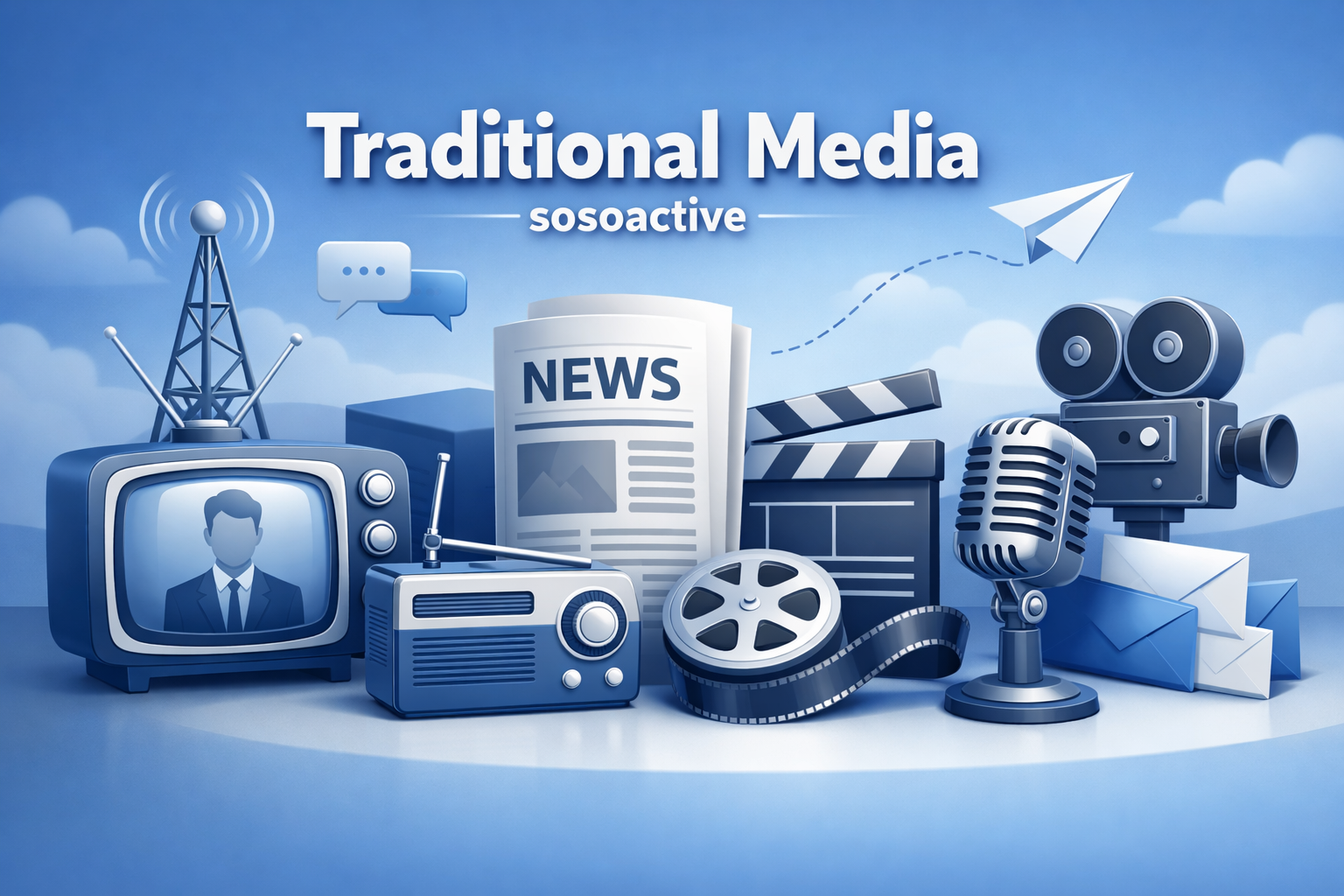
Traditional media refers to offline communication channels such as print, broadcast, and outdoor advertising. When combined with the idea of “sosoactive,” it reflects a more engaging and interactive approach to traditional platforms. Instead of one-way communication, brands now aim to create a connection that encourages audience response, even through offline channels.
This combination bridges the gap between old and new marketing styles. For example, a TV advertisement may include a call-to-action that directs viewers to engage further online. This approach enhances visibility while keeping the credibility of traditional media intact. Businesses that understand this blend can create campaigns that feel more connected, rather than isolated across platforms.
Why It Still Matters Today
Even in a digital-first era, traditional media holds strong authority. People often trust printed newspapers, television broadcasts, and radio announcements more than online ads. This trust factor is a major reason why traditional media traditional media sosoactive strategies remain effective.
Additionally, traditional media reaches audiences who may not be highly active online. Rural populations, older demographics, and local communities often rely on these channels for information. By combining trust with strategic engagement, businesses can build stronger relationships and expand their reach beyond digital limitations.
Key Types of Traditional Media Channels
Print Media and Its Influence
Print media includes newspapers, magazines, brochures, and flyers. These formats offer a tangible experience that digital content cannot replicate. Readers often spend more time engaging with printed material, making it a powerful tool for delivering detailed information.
In the context of traditional media traditional media sosoactive, print campaigns can be enhanced with interactive elements. For instance, QR codes, discount codes, or references to online platforms encourage readers to take further action. This creates a seamless connection between offline and online engagement, improving overall campaign performance.
Broadcast and Outdoor Media
Broadcast media, such as television and radio, remains one of the most impactful communication channels. It allows brands to deliver messages through storytelling, sound, and visuals. Outdoor media, including billboards and transit ads, ensures constant visibility in high-traffic areas.
These channels become even more powerful when used with sosoactive strategies. A billboard campaign can spark curiosity, leading people to search online. Similarly, radio promotions can drive listeners to participate in contests or visit websites. This integration transforms passive exposure into active engagement.
Benefits of Traditional Media Traditional Media Sosoactive
Building Trust and Credibility
One of the biggest advantages of traditional media is its credibility. Established platforms like newspapers and TV channels are often seen as reliable sources of information. When brands advertise through these channels, they benefit from this built-in trust.
In a traditional media traditional media sosoactive approach, this trust is combined with engagement tactics. Audiences not only see the message but are also encouraged to interact with it. This creates a deeper connection, making the brand more memorable and trustworthy over time.
Expanding Audience Reach
Traditional media has the ability to reach a wide and diverse audience. Unlike digital platforms that rely on internet access, traditional channels are accessible to almost everyone. This makes them especially useful for mass marketing campaigns.
By adding sosoactive elements, businesses can guide this large audience toward more targeted interactions. For example, a TV ad might direct viewers to a social media campaign, allowing brands to track engagement and refine their strategies. This combination ensures both broad reach and measurable results.
How to Use Traditional Media Effectively
Strategic Planning and Integration
To make the most of traditional media traditional media sosoactive, businesses need a clear strategy. This involves selecting the right channels based on the target audience and campaign goals. A well-planned approach ensures that every message is consistent and aligned with the brand’s identity.
Integration with digital platforms is also crucial. Traditional media should not work in isolation but rather support online efforts. For example, a newspaper ad can promote a blog article or landing page, creating a smooth journey for the audience. This interconnected strategy improves overall marketing effectiveness.
Creating Engaging Content
Content plays a key role in the success of any campaign. Traditional media content should be clear, compelling, and easy to understand. At the same time, it should encourage further interaction, aligning with the sosoactive concept.
Simple techniques can make a big difference. Including calls-to-action, offering incentives, or sharing relatable stories can increase audience interest. When people feel connected to the message, they are more likely to respond, turning passive viewers into active participants.
Real-Life Examples of Traditional Media Success
Successful Brand Campaigns
Many well-known brands continue to use traditional media to strengthen their presence. For instance, companies often launch television campaigns alongside digital promotions to maximize impact. This dual approach ensures that the message reaches both online and offline audiences.
In a traditional media traditional media sosoactive strategy, these campaigns are designed to work together. A print ad might highlight a product, while an online platform provides detailed information and purchasing options. This combination creates a complete customer journey.
Lessons from Local Businesses
Small and local businesses can also benefit from traditional media. Community newspapers, local radio stations, and outdoor ads are cost-effective ways to reach nearby audiences. These channels help build familiarity and trust within the community.
By adding sosoactive elements, such as social media mentions or event promotions, local businesses can enhance their visibility. This approach not only attracts new customers but also strengthens relationships with existing ones, leading to long-term growth.
Challenges and Limitations
Cost and Measurement Issues
One of the main challenges of traditional media is cost. Advertising on television or in major newspapers can be expensive, especially for small businesses. Additionally, measuring the exact impact of these campaigns can be difficult compared to digital analytics.
However, traditional media traditional media sosoactive strategies can help overcome these limitations. By directing audiences to trackable platforms, businesses can gain insights into campaign performance. This allows for better decision-making and improved return on investment.
Adapting to Modern Trends
Another challenge is keeping up with changing consumer behavior. As more people shift toward digital platforms, traditional media must evolve to stay relevant. This requires creativity and a willingness to adapt.
By integrating sosoactive elements, traditional media can remain effective. Instead of competing with digital channels, it can complement them, creating a balanced and future-ready marketing strategy.
FAQ Section
What is traditional media traditional media sosoactive?
It refers to combining traditional media channels with interactive and engaging strategies that encourage audience participation, often linking offline and online experiences.
Is traditional media still effective today?
Yes, traditional media remains effective due to its credibility, wide reach, and ability to connect with audiences who may not be active online.
How can small businesses use traditional media?
Small businesses can use local newspapers, radio, and outdoor ads to reach nearby audiences and combine them with online engagement for better results.
What are the main benefits of traditional media?
The key benefits include trust, broad audience reach, and strong brand visibility, especially when combined with sosoactive strategies.
How does traditional media support digital marketing?
Traditional media can drive traffic to online platforms, reinforce brand messages, and create a seamless customer journey across channels.
Conclusion
The traditional media traditional media sosoactive approach offers a powerful way to combine the reliability of offline channels with the engagement of modern strategies. By understanding how these elements work together, businesses can create campaigns that are both impactful and memorable.
Instead of choosing between traditional and digital media, the smartest approach is to use both in harmony. This balanced strategy ensures wider reach, stronger trust, and better results over time. If you want to build a lasting brand presence, now is the time to explore how traditional media can support your overall marketing efforts.